
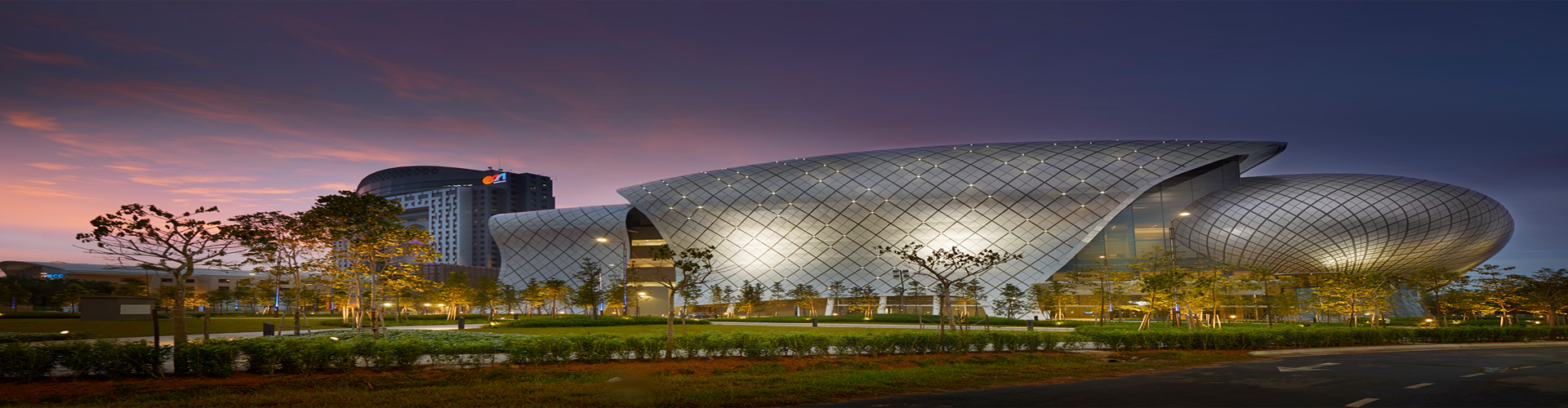
Kuala Lumpur is not short of bold buildings. From glass towers to colonial shophouses, the city has always balanced ambition with memory. The Kuala Lumpur Architecture Festival 2026 steps right into that space — not as a closed-door industry event, but as a year-long public celebration of how cities are shaped, questioned and reimagined.
If you want the full picture — where it started, what’s happening in 2026, and why it matters — this guide breaks it down properly.
WHAT IS THE KUALA LUMPUR ARCHITECTURE FESTIVAL (KLAF)?
The Kuala Lumpur Architecture Festival (KLAF) is an annual architecture and design festival organised by Pertubuhan Akitek Malaysia (PAM).
It was launched in 2011 as a way to open architectural conversations beyond professional circles. What began as a focused conference platform gradually expanded into a public-facing cultural event — blending talks, competitions, installations, tours and community activities.
Over the years, KLAF has positioned Kuala Lumpur not just as a city of buildings, but as a city of ideas.
WHEN IT STARTED IN 2026
- The festival was officially launched on 17 January 2026 at RexKL in Kuala Lumpur.
- After the launch, on 7–8 February 2026, a related public experience programme SinggahKL allowed visitors to explore 19 architecture sites across the city.
UPCOMING KEY DATES & EVENTS IN 2026
KLAF isn’t one single event — it’s a series of programmes, talks, installations, competitions and experiences throughout the year. Some of the highlighted dates and activities include:
- April 11, 2026 – KLAF x Puncak Rimba event
- April 18, 2026 – Raya Open House x The LINC KL
- June 27, 2026 – Tropical Pavilion @ Titiwangsa Park
- July 28, 2026 – Datum KL Conference at MITEC
- November 14, 2026 – KLAF Deepavali Finale: Festival of Light
PURPOSE & HIGHLIGHTS
KLAF 2026 is designed to:
- Celebrate design and culture together, linking architecture with community life.
- Activate public spaces with installations, city trails, workshops and interactive exhibitions.
- Host competitions that are open to both professionals and the public — including batik design, urban renewal ideas and pavilion design.
- Feature major professional events like the Datum: KL conference with international speakers.
- Support sustainability and future-forward practices, including climate-responsive design, digital tools and adaptive reuse.
WHO’S INVOLVED
The festival connects architects, students, community groups, businesses, tourism bodies and policymakers. It’s part of the broader Visit Malaysia 2026 strategy to make cultural events more prominent in the country’s travel calendar.
Registration, schedule details, and updates are typically available through the official KLAF website and mobile app — both recommended if you’re planning to attend or participate.
A BRIEF HISTORY: FROM DATUM TO A CITYWIDE FESTIVAL
In its early years, KLAF revolved heavily around DATUM:KL, a high-level architecture conference that brought international speakers to Malaysia.
Architects, planners and thinkers gathered to debate sustainability, urban density, tropical design and the future of Asian cities.
But something changed.
The organisers realised architecture could not stay inside lecture halls. So the festival expanded:
- Public city tours
- Student and open competitions
- Cultural crossovers (batik, heritage, public parks)
- Community-driven installations
KLAF became less about presentations and more about participation.
KLAF 2026 THEME: “FUTURE CULTURE”
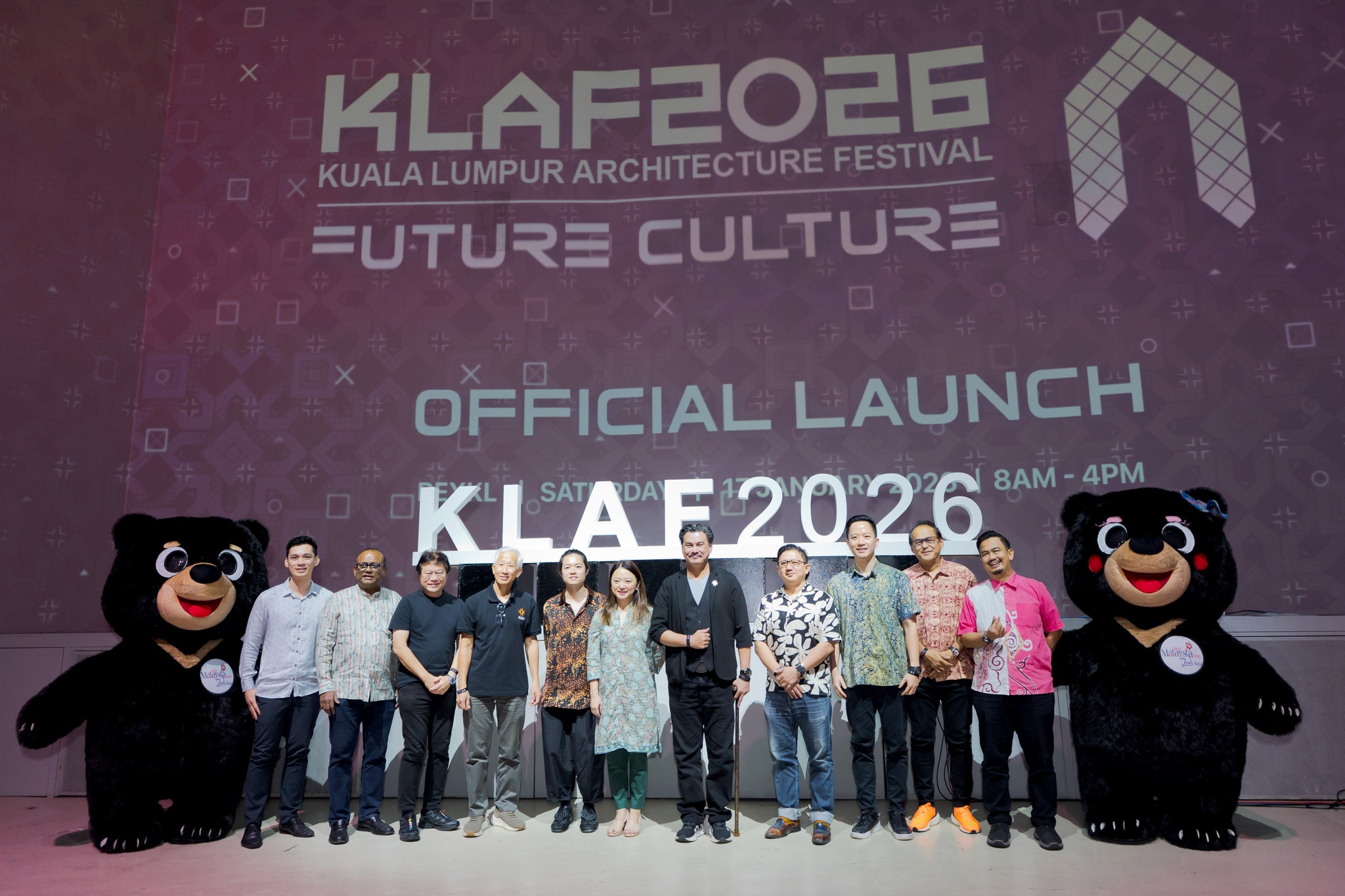
The 2026 edition carries the theme Future Culture.
It’s not about futuristic skyscrapers. It’s about this question:
How do we build a future without disconnecting from who we are?
Kuala Lumpur is a layered city — Malay heritage, colonial architecture, rapid urban development, modern megastructures. KLAF 2026 explores how culture, memory and innovation can exist together instead of competing.
And unlike many festivals, this is not a weekend event. It runs across the year.
FULL PROGRAM OVERVIEW – KUALA LUMPUR ARCHITECTURE FESTIVAL 2026
Below is a structured breakdown of the key components of KLAF 2026.
1. DATUM:KL 2026 CONFERENCE
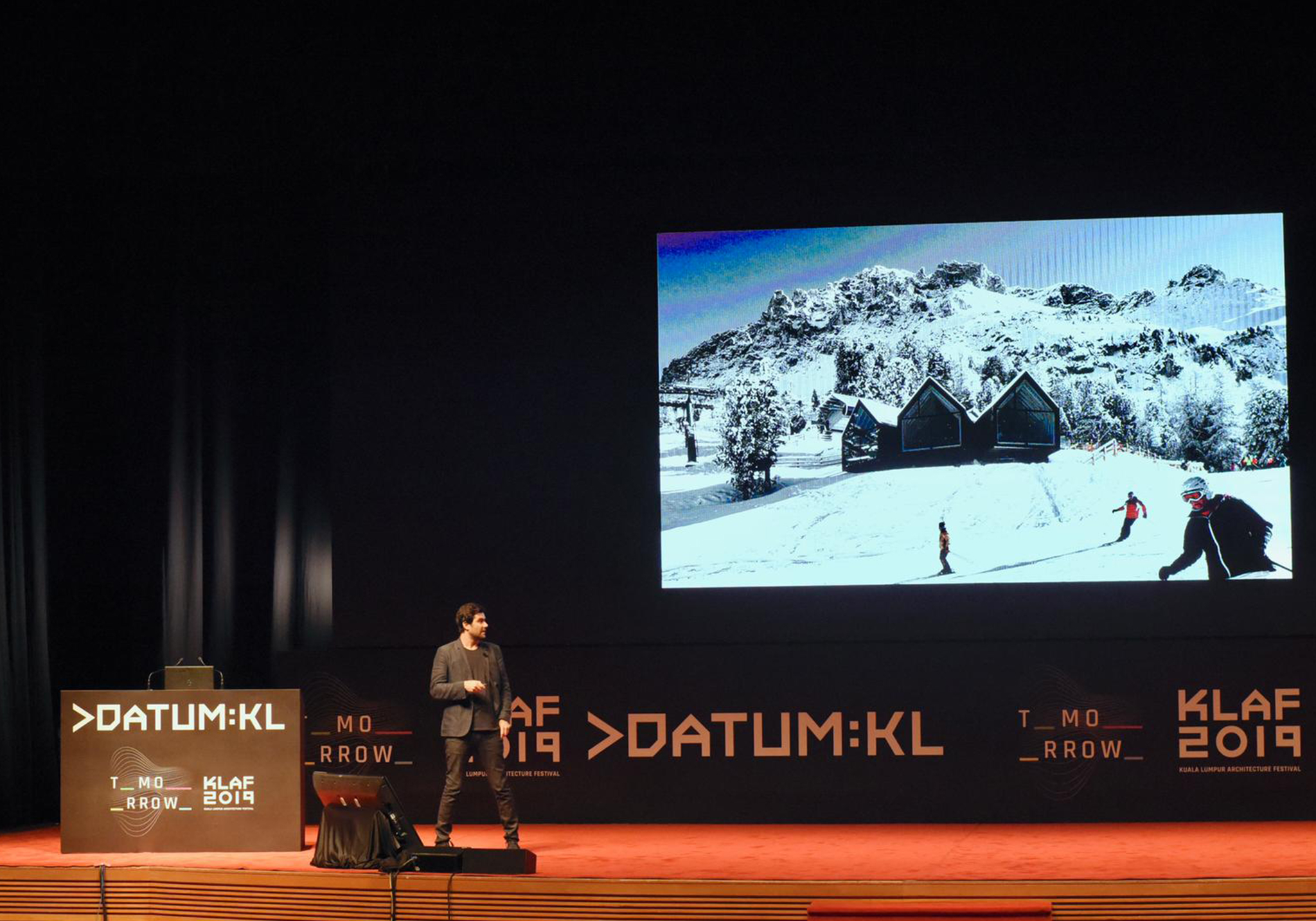
DATUM:KL 2026 is the flagship conference under the Kuala Lumpur Architecture Festival 2026.
If KLAF is the public face of architecture, DATUM:KL is its thinking engine.
Held in Kuala Lumpur (typically at major venues like MITEC), the conference gathers:
- International architects
- Regional design leaders
- Urban planners
- Sustainability experts
- Academics and students
WHAT MAKES DATUM DIFFERENT?
DATUM is not about flashy presentations. It focuses on real conversations around:
- Climate-responsive tropical architecture
- Adaptive reuse of existing buildings
- Urban density and liveability
- Cultural identity in modern design
- Digital innovation in architecture
Speakers usually include globally recognised practices alongside strong Southeast Asian voices. That balance is important — global ideas, grounded in local realities.
WHY IT MATTERS IN 2026
Under the theme “Future Culture”, DATUM:KL 2026 explores how architecture can move forward without erasing heritage. Kuala Lumpur is a fast-growing city, and this conference asks the tough questions:
- How do we design responsibly in tropical climates?
- How do we preserve memory while building vertically?
- What should Southeast Asian cities look like in the next 20 years?
For professionals, DATUM is where insight turns into direction.
For students, it’s exposure to global standards.
For the industry, it sets the tone for architectural discourse in Malaysia.
In short — if KLAF opens the doors to the public, DATUM:KL shapes the conversation behind those doors.
2. SINGGAHKL 2026 – ARCHITECTURE IN REAL LIFE
If DATUM:KL is where ideas are discussed, SinggahKL 2026 is where those ideas are experienced.
“Singgah” means to stop by — and that’s exactly what this program invites people to do. Stop. Step inside. Look closer.
WHAT IS SINGGAHKL?
SinggahKL is an open-house style architectural tour under the Kuala Lumpur Architecture Festival 2026. Selected buildings across Kuala Lumpur open their doors to the public for guided walkthroughs.
Instead of viewing buildings from the outside, participants get access to:
- Private residences
- Adaptive reuse projects
- Heritage buildings
- Contemporary offices and mixed-use developments
Architects and owners are often present, explaining the thinking behind the design — from material selection to natural ventilation strategies.
WHY IT’S DIFFERENT
This isn’t a sightseeing tour.
It’s practical, grounded and honest.
- You see how tropical sunlight is controlled.
- You feel airflow in naturally ventilated spaces.
- You notice how old structures are preserved while new elements are inserted.
Architecture becomes physical, not theoretical.
WHY SINGGAHKL 2026 MATTERS
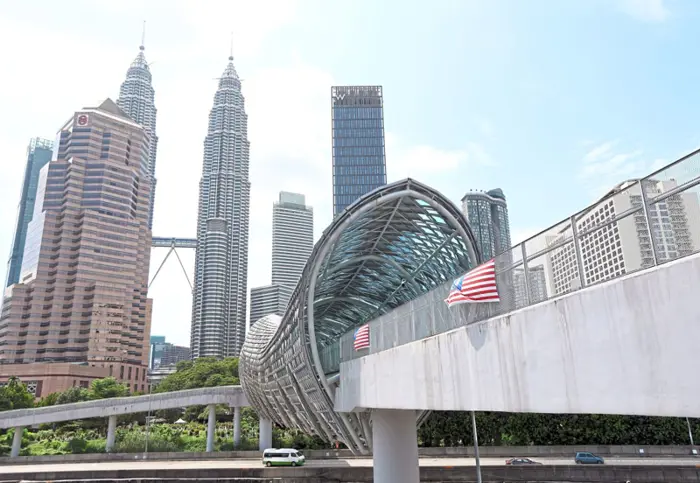
Kuala Lumpur is a mix of old and modern worlds; buildings from the colonial past sitting alongside beautiful glass skyscrapers while leftover kampong elements are visible along the highways.
SinggahKL provides a way for people to see how these two different types of architecture exist together in harmony.
- For students, it provides an opportunity to see what they have learned in school applied in real life.
- For home owners, it inspires new ways to create their living spaces.
- For the general public, it increases their awareness of how good architecture can make their everyday lives better.
SinggahKL shows the people that architecture is not only about iconic building; architecture also encompasses all of the places where we sleep, work, and travel on a daily basis.
Therefore, SinggahKL will be one of the most significant events within the 2026 KLAF.
3. TROPICAL PAVILION @ TITIWANGSA PARK — JUNE 27, 2026
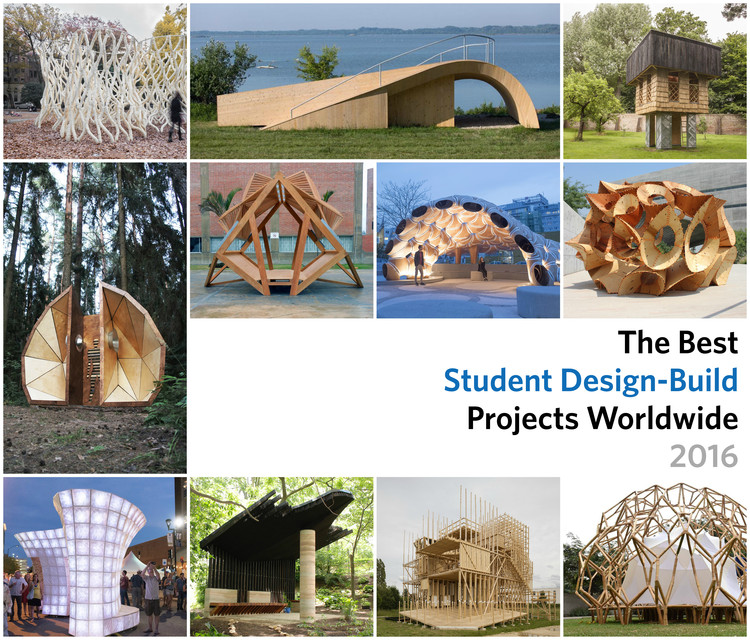
Set within the open green landscape of Titiwangsa Park, Titiwangsa Pavilion 3.0 is one of the most visually striking and hands-on components of the Kuala Lumpur Architecture Festival 2026.
Unlike conferences or talks, this program turns concepts into something you can walk through, sit under and interact with.
WHAT IS TITIWANGSA PAVILION 3.0?
It is a design-build competition where participants are invited to create a temporary pavilion aligned with the festival’s 2026 theme, “Future Culture.”
The challenge goes beyond aesthetics. Designers must think about:
- Tropical climate response
- Material efficiency
- Cultural symbolism
- Public interaction
- Structural creativity
The winning concept is then constructed in the park, becoming a real, functioning space for visitors.
WHY IT STANDS OUT
This is architecture at human scale.
- It’s not a skyscraper.
- It’s not a private development.
- It’s a public installation that belongs to everyone who walks through the park.
Visitors don’t just observe it — they experience shade, airflow, texture and proportion. Children run through it. Families gather around it. Students sketch it.
It transforms theory into tangible design.
WHY IT MATTERS IN 2026
Under the theme “Future Culture,” the pavilion becomes more than a structure. It becomes a statement about:
- How public spaces should feel
- How culture can be expressed physically
- How temporary design can leave a lasting impact
The Titiwangsa Pavilion 3.0 demonstrates that meaningful architecture design does not need to be large, tall or grand, but as often as is the case, a well designed pavilion in a park can generate more meaningful discussions than that of a skyline of high-rise buildings.
And that’s exactly the kind of grounded, people-first design thinking KLAF 2026 aims to promote.
4. OPEN DESIGN COMPETITIONS
Architecture festivals often spotlight big names.
KLAF 2026 does something smarter — it creates space for new ones.
Under the umbrella of the Kuala Lumpur Architecture Festival 2026, the Open Design Competitions invite students, young architects, creatives and even cross-disciplinary designers to contribute ideas that reflect the year’s theme, “Future Culture.”
This is not symbolic participation. It’s real opportunity.
BATIK ART DESIGN CHALLENGE
Malaysia’s batik tradition is rich, layered and has a strong cultural history. The KLAF2026 is asking participants to develop new ways of expressing the batik heritage that will reach beyond the past and find contemporary design solutions.
Designers explore:
- Pattern logic
- Repetition and rhythm
- Geometry and spatial layering
- Cultural storytelling through visual systems
The goal is not decoration. It’s reinterpretation — taking something traditional and giving it architectural depth.
This competition bridges craft and structure, history and modern expression.
BROWN BUILD IDEA COMPETITION
Cities are full of underused or aging structures. Instead of demolishing and rebuilding, this competition asks:
How can we rethink what already exists?
Participants focus on:
- Adaptive reuse strategies
- Urban regeneration
- Sustainable redevelopment
- Social impact through design
It shifts the focus of cities such as Kuala Lumpur from expansion to enhancement, which is crucial for fast developing cities.
WHY THESE COMPETITIONS MATTER
The Open Design Competitions reflect a clear message:
Architecture is not reserved for established firms.
- It belongs to thinkers.
- It belongs to students.
- It belongs to the next generation.
This is an important platform for many participants as it gives them an opportunity to gain exposure, have their work recognized and see that their concepts are really given consideration by others.
The value of this project is in supporting the Malaysian design ecosystem by inspiring imaginative design based on cultural heritage, sustainable practices and the identity of Malaysia.
KLAF 2026 understands something important:
- If you want a stronger architectural future, you must invest in fresh voices today.
And these competitions are where those voices begin to be heard.
5. CULTURAL ANCHOR EVENTS
Architecture does not exist in isolation. It lives inside culture — inside festivals, traditions, public gatherings and shared memories.
This is why the Kuala Lumpur Architecture Festival (KLAF) 2026’s theme will have more than just events and awards based on physical objects. The Cultural Anchor Events will create a bridge between the research and creative aspects of design to how it relates to a community’s daily lives.
KLAF 2026 will visually demonstrate the dynamic of design and community through all of its events.
RAYA OPEN HOUSE @ THE LINC KL — APRIL 18, 2026
During the festivities of Hari Raya, the Kuala Lumpur Architecture Festival (KLAF) will host a unique type of open house that combines the elements of hospitality with an appreciation for architecture.
The properties will be used as more than just physical spaces; they will become points of experience through various methods:
- Courtyards become gathering zones
- Lighting transforms atmosphere
- Temporary installations add new spatial layers
These functions serve as a powerful reminder of how architecture and the built environment play a role in how we celebrate as a society, from the design of our homes to the circulation of public spaces.
KLAF DEEPAVALI FINALE: FESTIVAL OF LIGHT — NOVEMBER 14, 2026
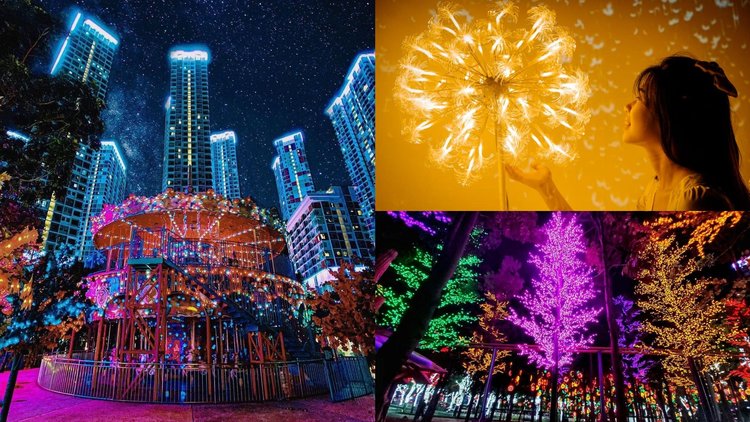
The KLAF year often closes with a Deepavali-themed finale — a symbolic nod to light, renewal and reflection.
Here, architecture becomes dramatic:
- Illuminated installations
- Light-based design expressions
- Public gathering in shared urban space
It turns structural design into something emotional and visual. Not just something you see — something you feel.
This is why the Kuala Lumpur Architecture Festival (KLAF) 2026’s theme will have more than just events and awards based on physical objects. The Cultural Anchor Events will create a bridge between the research and creative aspects of design to how it relates to a community’s daily lives.
KLAF 2026 will visually demonstrate the dynamic of design and community through all of its events.
WHY THESE EVENTS MATTER
Cultural Anchor Events ground the festival in Malaysian identity.
They show that architecture is not only about:
- Concrete
- Steel
- Technical drawing
It’s about how people use space.
How communities gather.How traditions continue inside modern cities.
By weaving Raya, Deepavali and other cultural moments into the festival calendar, KLAF 2026 strengthens a powerful message:
The future of architecture in Kuala Lumpur must remain connected to its cultural roots.
Because a city without culture is just infrastructure.
And KLAF understands the difference.
FINAL THOUGHTS
KLAF 2026 is not about showing off buildings. It’s about asking hard questions:
- Who are our cities for?
- How do we preserve culture without resisting change?
- What does responsible tropical architecture look like in 2026?
The festival does not hand out easy answers. It opens doors — literally and intellectually.
And that is what makes the Kuala Lumpur Architecture Festival 2026 worth paying attention to.