
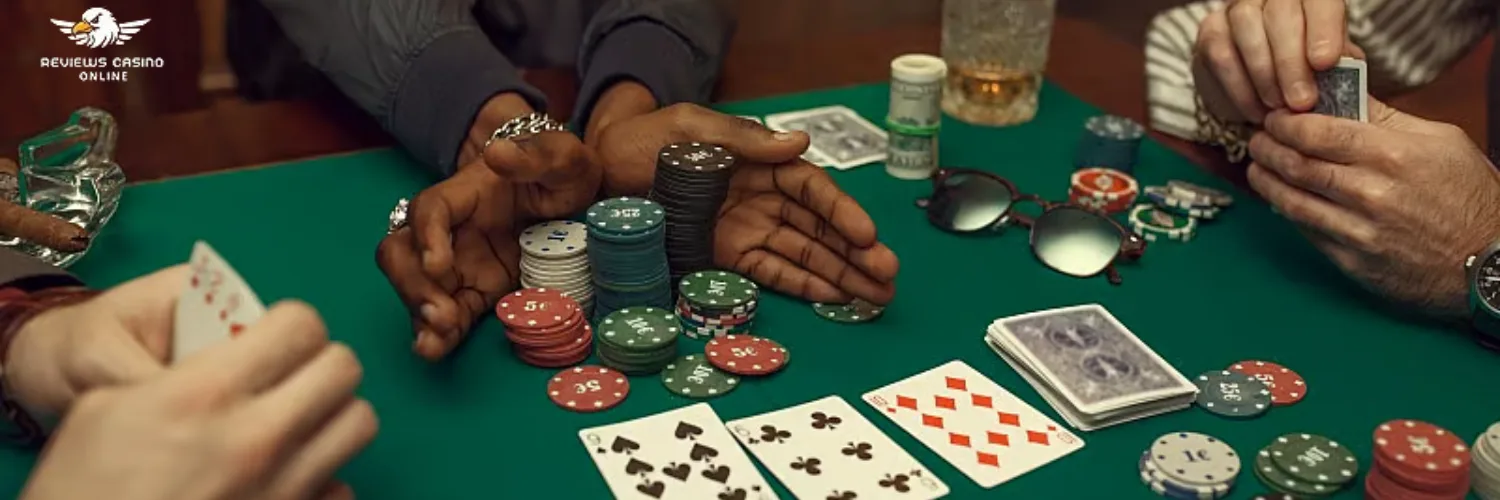
Most casino games — like slots, roulette, or baccarat — depend heavily on luck. You spin, bet, and hope the odds go your way. Poker, however, is different.
While chance still plays a role, poker is one of the few games where skill, patience, and strategy consistently outplay luck. It’s a battle of logic, emotional control, and the ability to read your opponents — not just the cards in your hand.
Today, many players in online casino Malaysia platforms enjoy poker because it rewards smart decision-making and long-term discipline. The most popular variant, Texas Hold’em, has become a favourite among Malaysian players thanks to its perfect balance of chance and skill.
Unlike pure luck-based games, poker challenges your mind and rewards strategic thinking and emotional stability — qualities that extend beyond the table.
Here are 7 poker skills and strategies every Malaysian player should master to make smarter decisions and play like a pro.
1. POKER STATISTICS AND PROBABILITIES
Poker is a numbers game at its core. Successful players calculate odds and make decisions based on logic, not instinct.
For example, knowing the probability of hitting a flush or straight draw helps you decide whether to call or fold. Understanding these odds builds your ability to assess risk versus reward, both in poker and in life.
Real-life lesson: Just as poker players calculate pot odds, smart decision-makers weigh the pros and cons before taking risks — in business, investments, or daily choices.
2. EMOTIONAL CONTROL AND PATIENCE
Poker tests your emotional strength more than any other game. The highs of winning and the lows of losing can be intense. But the key to success is staying calm and focused — even under pressure.
This is what poker players call avoiding tilt — keeping emotions out of your decision-making process.
Tips for better control:
- Don’t chase losses after a bad beat.
- Take breaks to regain focus.
- Stick to your planned strategy, not your impulses.
In real life, emotional control leads to better financial decisions, improved relationships, and greater success under stress.
3. OBSERVATION AND READING OPPONENTS
Poker is not just about cards — it’s about people. Every action your opponent takes reveals something about their hand, confidence, or intent.
In live poker, pay attention to physical “tells” like hesitations or nervous movements. In online poker, focus on betting patterns, timing, and consistency.
Being observant helps you predict behavior and make smarter counter-moves.
Real-world advantage: The ability to read others — their tone, attitude, and patterns — is a skill that improves communication and negotiation beyond the poker table.
4. RISK MANAGEMENT AND DECISION VALUE
Every hand you play involves risk management. Great players know when to protect their chips and when to push for maximum profit.
This concept, known as pot control, is about keeping bets aligned with your hand’s strength and minimizing potential losses.
Smart poker principles:
- Never risk more chips than necessary.
- Bet strategically to get value, not just to gamble.
- Fold when the odds aren’t in your favor.
In poker and life alike, understanding the risk-to-reward ratio helps you make better financial and personal decisions.
5. MEMORY AND ADAPTABILITY
Poker rewards those who can remember patterns and adapt quickly. Remembering how each player behaves — when they bluff, how they bet, and when they fold — gives you a huge edge.
Adaptability means changing your strategy when the game dynamics shift — new players join, stacks change, or your opponents adjust.
Life skill parallel: Remembering outcomes and adapting based on experience helps you grow in business, learning, and personal relationships.
6. STRATEGIC BLUFFING AND DECEPTION
Bluffing is poker’s art form. It’s not about lying — it’s about creating believable stories with your betting actions.
Effective bluffing requires timing, confidence, and credibility. You don’t bluff often — you bluff smart.
When to bluff:
- When your position allows control over the pot.
- When the community cards support your story.
- When your table image suggests strength.
Used wisely, bluffing teaches you how to influence perception — a skill that also applies to leadership, negotiation, and communication.
7. HANDLING WINS AND LOSSES GRACEFULLY
Poker teaches humility and resilience. You can make perfect decisions and still lose, or play poorly and get lucky.
The key is how you handle both outcomes. True professionals:
- Accept losses as lessons.
- Stay grounded after big wins.
- Focus on long-term success, not short-term emotions.
Learning to accept both victory and defeat with balance helps build emotional strength, one of the most valuable traits both in poker and in real life.
FINAL THOUGHTS
Poker isn’t just a casino game — it’s a strategic journey that strengthens the mind.
By mastering these seven poker skills — from emotional control to risk management and adaptability — you’ll not only become a better player but also a sharper thinker.
When you play top online poker casino in Malaysia, these strategies help you make informed decisions, reduce losses, and build consistent success. Choosing the right platform ensures fair gameplay, secure transactions, and a rewarding poker experience tailored for Malaysian players.